
PRODUCTS
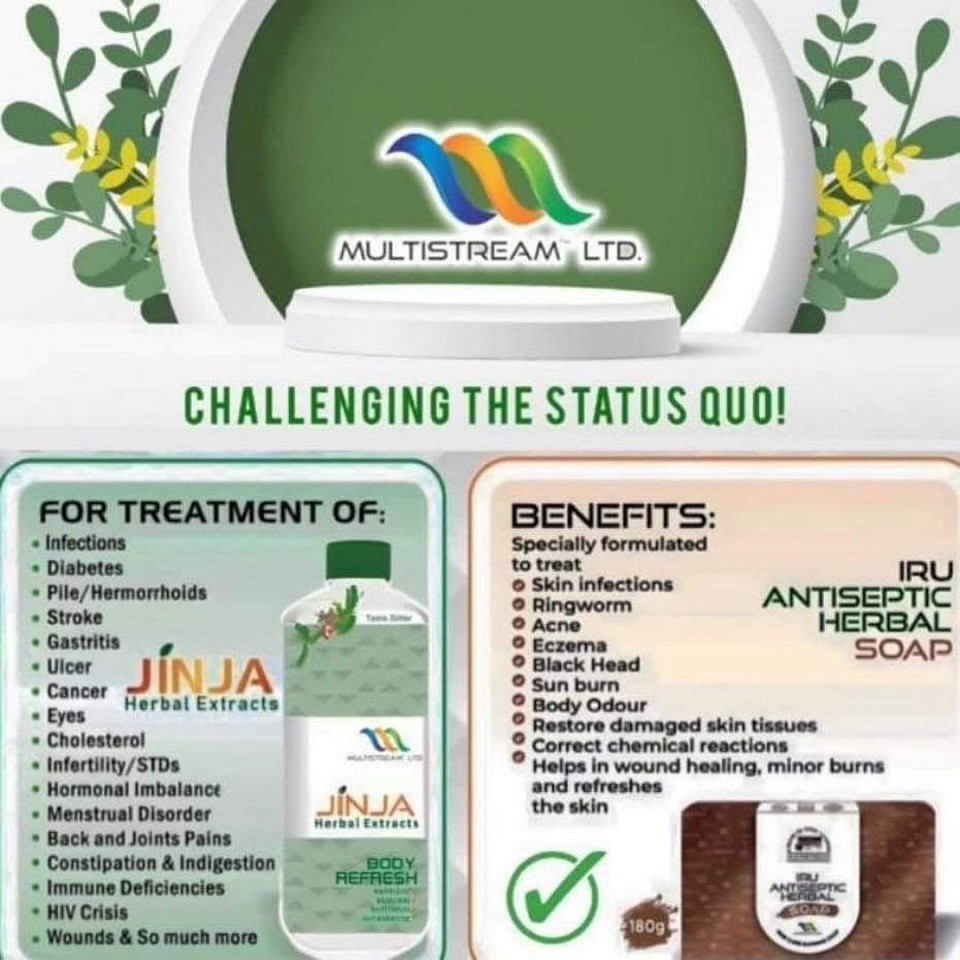
The Two (2) Featured Health products of MultiStream TM Ltd are the Jinja Herbal Extract (JHE) and the IRU Anticeptic Soap
Jinja Herbal Extract And IRU Aniceptic Soap
Jinja™ Herbal Extract (JHE) is a traditional polyherbal decoction with deep roots in Nigerian ethnomedicine. Recognized by the National Agency for Food and Drug Administration and Control (NAFDAC Reg. No: A7-1733L), JHE is registered by NAFDAC for the enhancement of Sexual Vitality.
As a polyherbal formulation, it has also been employed by users for purposes such as addressing bacterial, viral, fungal, and parasitic infections; treating piles; enhancing immune function; and as a detoxifier.
Recent scientific investigations have sought to examine these traditional uses by studying its phytochemical composition, antioxidant potential, and safety profile. This overview synthesizes key findings from peer-reviewed research to present a detailed portrait of this herbal mixture.
Botanical Composition and Traditional Background
JHE is a polyherbal formulation derived from a precise blend of medicinal plants, belonging to distinct botanical families:
🤏Carpolobia alba (Family: Polygalaceae)
🤏Chestis ferruginea (Family: Connaraceae)
🤏Heliotropium indicum (Family: Boraginaceae)
This combination leverages the synergistic potential of multiple plant parts, creating a complex blend of bioactive compounds. Such polyherbal formulations are a cornerstone of traditional healthcare systems in Africa, where they are valued for addressing a broad spectrum of health challenges.
Phytochemical Richness: The Source of Bioactivity
Phytochemical screening confirms that JHE is a rich repository of diverse secondary metabolites responsible for its therapeutic effects. The extract contains a broad spectrum of valuable compounds while being notably absent in steroids.
CONTENT EXEGESIS
1. Carpolobia Alba
Commonly known as Castle stick is associated with treating various conditions, including:
- Rheumatism and joint pain (anti-inflammatory properties)
- Skin conditions: rashes, boils, infections (antimicrobial effects)
- Digestive issues: constipation, indigestion, abdominal pain
- Respiratory problems: coughs, asthma, bronchitis
- Fever reduction and inflammation management
- Potential uses for:
- Immune support
- Blood sugar management
- Cardiovascular health
Some studies also explore its:
- Antioxidant properties
- Antimicrobial activity against certain pathogens.
What do we mean by the last two (2) Properties
Let's break it down :
- Antioxidant properties:
Means the plant can help neutralize free radicals (unstable molecules) in your body.
- Free radicals can cause cell damage, leading to aging and diseases like
- cancer,
- diabetes,
- or heart issues.
Antioxidants like those in Carpolobia alba support cell health.
- Antimicrobial properties:
This Means the plant can help fight off microbes like bacteria, fungi, or viruses. This can support your body's defense against infections.
🪴Relevance to human anatomy:
- Antioxidants: protect cells, tissues, and organs from damage
- Antimicrobial: supports immune system in fighting infections.
2. Cnestis ferruginea
This is commonly known as *Iron Vine*🌿.
*Active elements:*
- Alkaloids
- Flavonoids
- Saponins
- Tannins
*Importance to health:*
- Traditional uses:
- Treats pain, inflammation (like arthritis, rheumatism)
- Digestive issues (dysenteria, diarrhea)
- Wound healing
- Respiratory issues
- Potential effects:
- Anti-inflammatory
- Antimicrobial
- Analgesic (pain relief)
*Conditions it may help treat:*
- Pain and inflammation (arthritis, rheumatism)
- Digestive problems (dysenteria, diarrhea)
- Wounds, skin infections
- Respiratory issues (coughs, bronchitis)
- Some other traditional uses includes:
- Snake bites
- Infertility issues
- Traditional uses:
- Roots:
🪴treats pain,
🪴 inflammation,
🪴 digestive issues
- Leaves: used for
🪴 wounds,
🪴skin conditions
- Stem: for
🪴respiratory issues,
🪴 coughs
- Potential benefits:
- Anti-inflammatory : helps with arthritis, rheumatism
- Antimicrobial : fights infections
- Analgesic : pain relief
- *Other Researched areas:*
- Antioxidant properties
- Anti-inflammatory effects
- Antimicrobial activity
(These are explained above already)
3. Heliotropium indicum*
This is commonly known as Indian Heliotrope 🌿. Abɛg its not Indian hemp oo 😁😁
*Active elements:*
- Alkaloids (indicine, indicamine)
- Pyrrolizidine alkaloids
- Flavonoids
- Saponins
Importance to health:
- Traditional uses:
- Treats wounds,
- skin conditions (like ulcers, boils)
- Fever reduction
- Pain relief
- Respiratory issues (coughs, bronchitis)
- Potential effects:
- Anti-inflammatory
- Antimicrobial
- Antioxidant
👉Conditions it may help treat:
- Skin infections, wounds
- Fever, inflammation
- Respiratory issues (cough, bronchitis)
- Pain management
- Some traditional uses for snake bites, insect stings etc
- Heliotropium indicum (Indian Heliotrope) has been used traditionally for its therapeutic properties 🌿
- Potential benefits:
- Anti-inflammatory: helps with pain, swelling
- Antimicrobial: fights skin infections
- Wound healing: traditional use for cuts, ulcers
- Modern relevance:
- Research explores its extracts for antimicrobial, anti-inflammatory effects
- Used in herbal medicine for skin, respiratory issues.
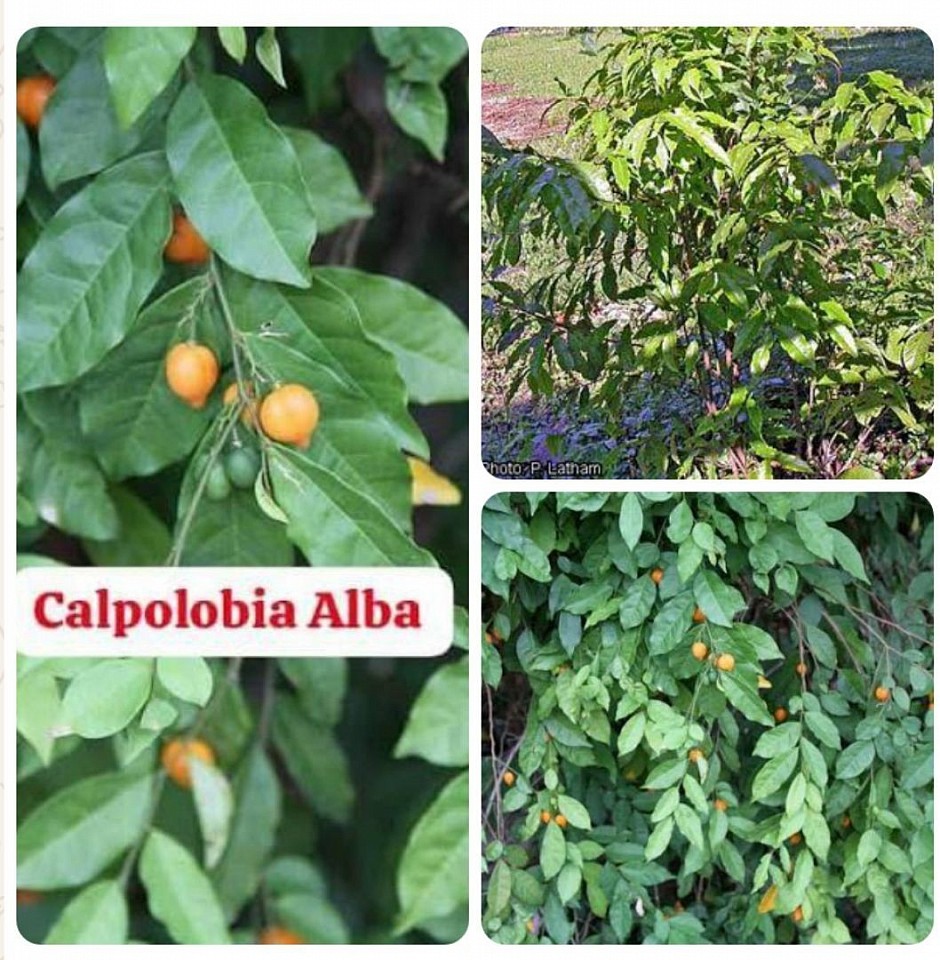
Carpolobia Alba, one of the main Herbs in Jinja Herbal Extract
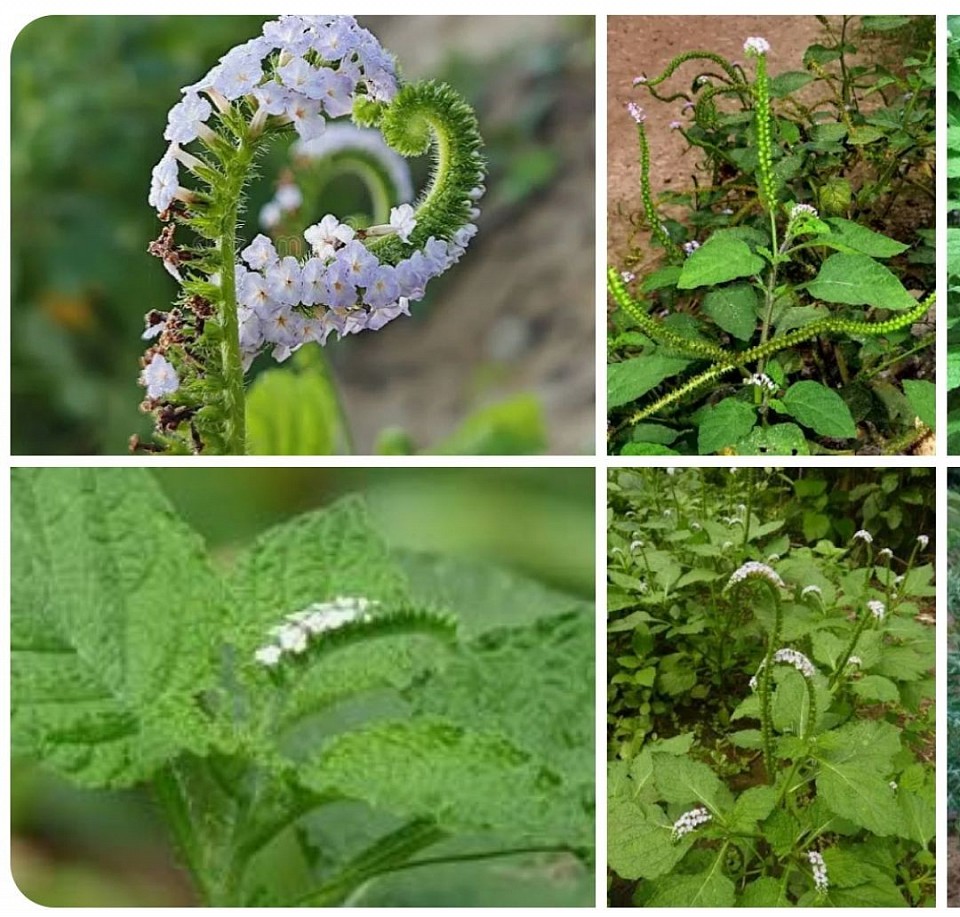
Heliotropium Indicum, one of the main Herbs in the Jinja Herbal Extract
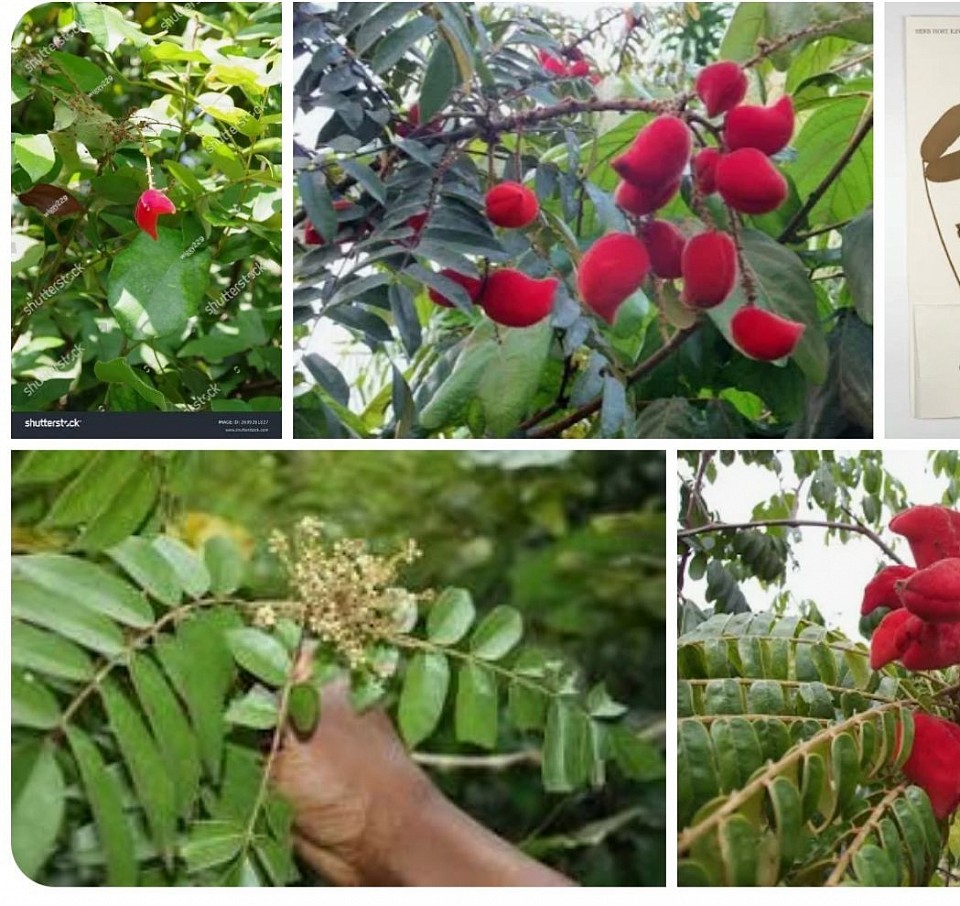
Cnestis ferruginea, One of the main Herbs in the Jinja Herbal Extact
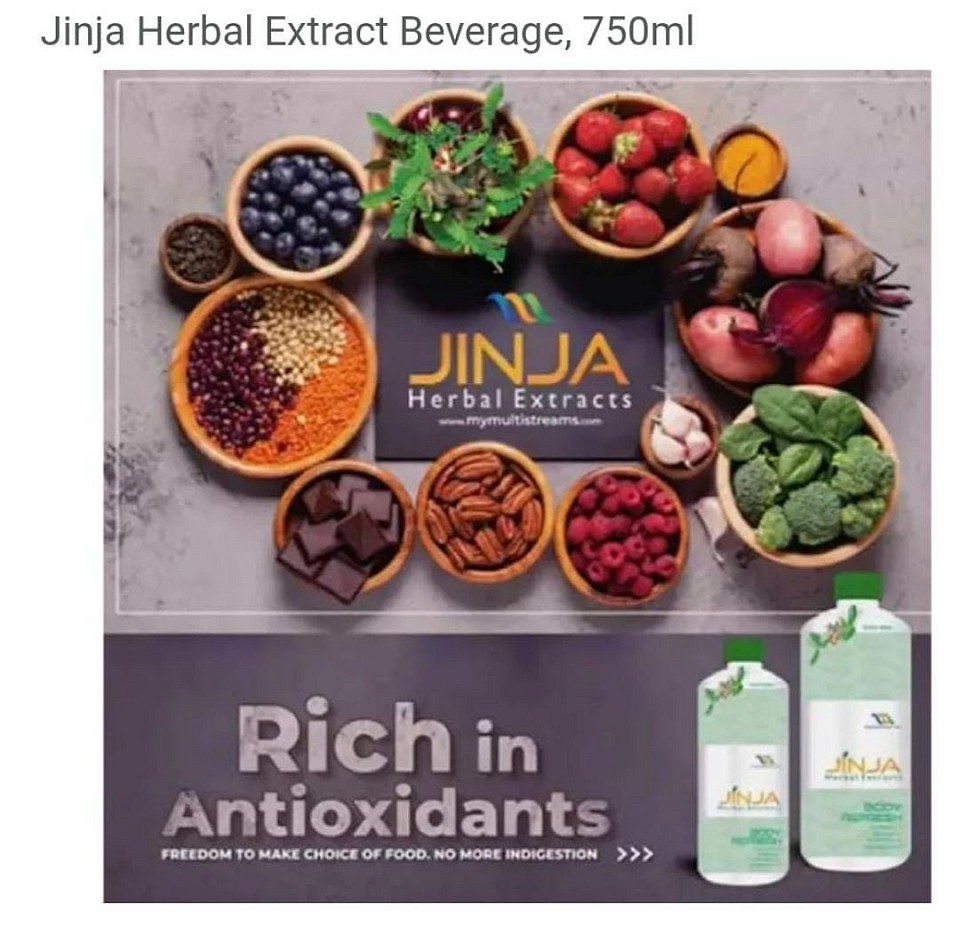
76 Herbs, Stems, Roots and Fruits
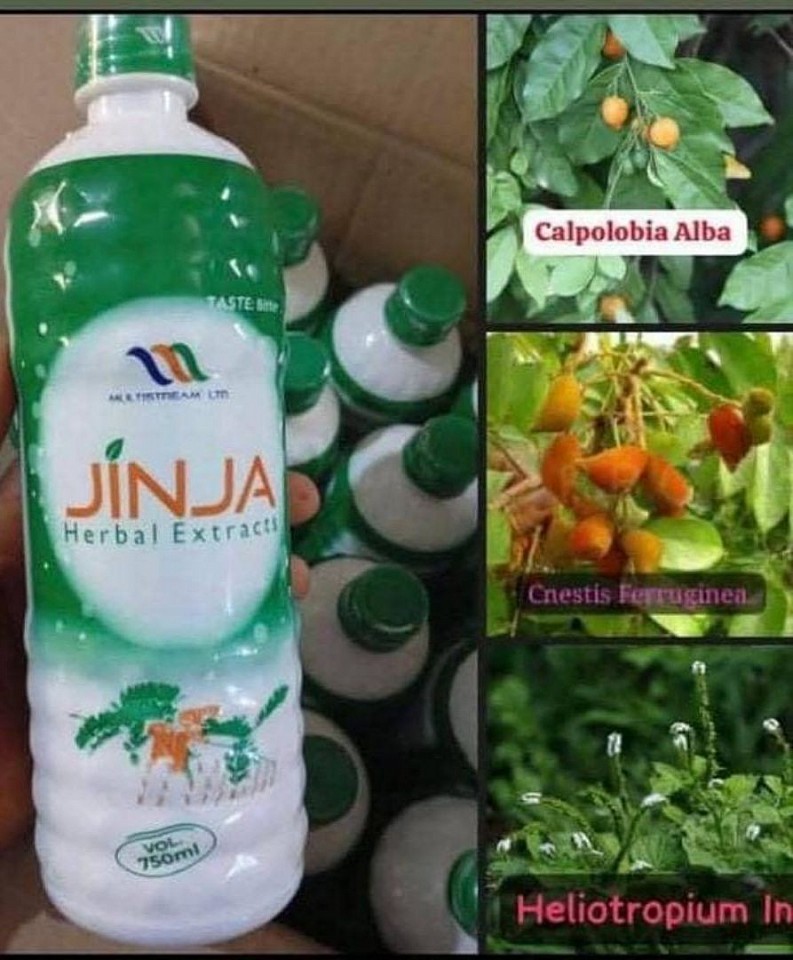
Jinja Herbal Extract and the 3 main Herbs
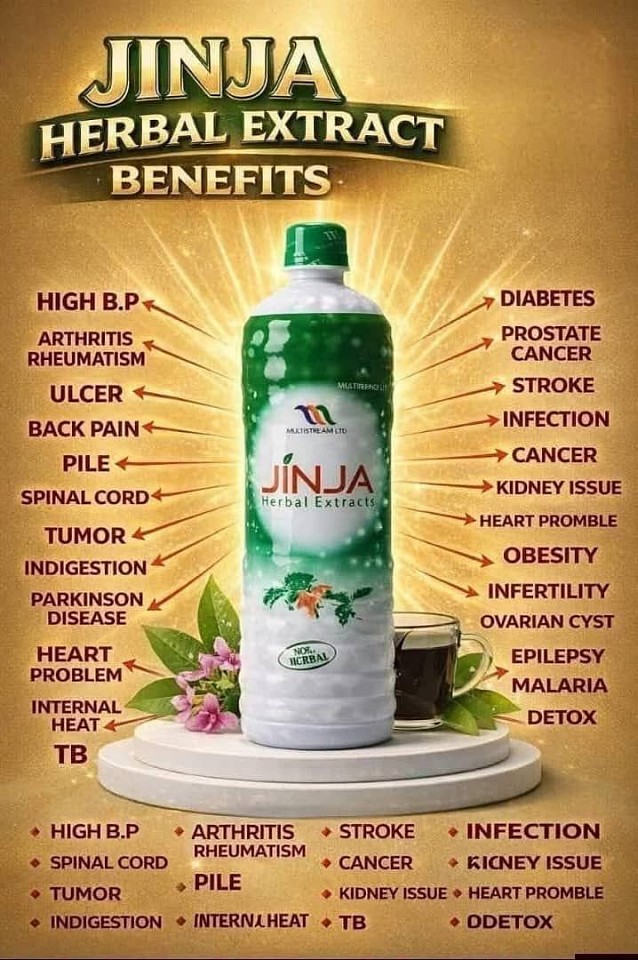
The Herbs, Roots and Fruiys used, makes this possible